Reunite the Parthenon
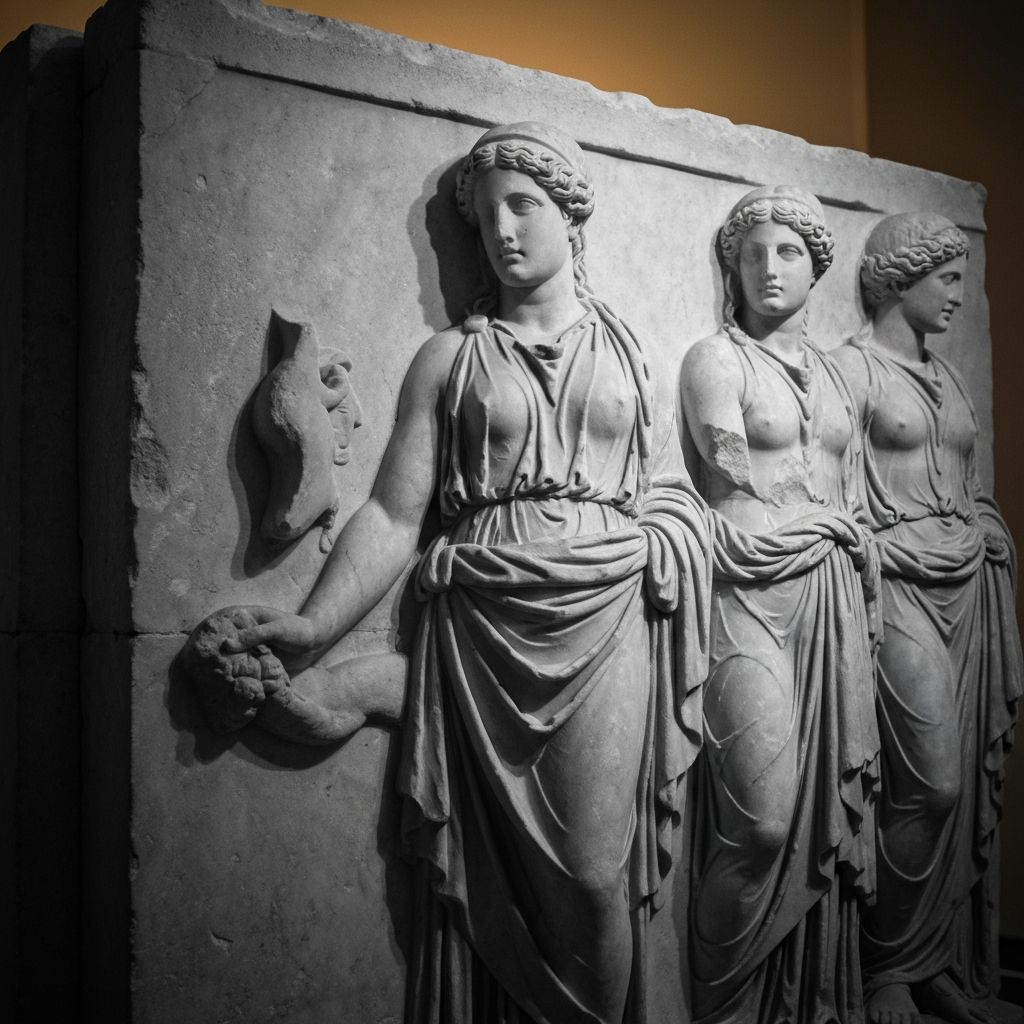
A Movement to Restore Cultural Integrity
Reunite theParthenon
For more than two centuries, the Parthenon Sculptures have been separated from the monument they were created to complete. Today, they remain divided between London and Athens. Reunification would restore a single work of art to its original setting.
A story of
separation
The Parthenon Sculptures—masterpieces of Classical Greek art—were removed from Athens at a time when the city was under Ottoman occupation and the Greek people had no political authority over their cultural heritage.
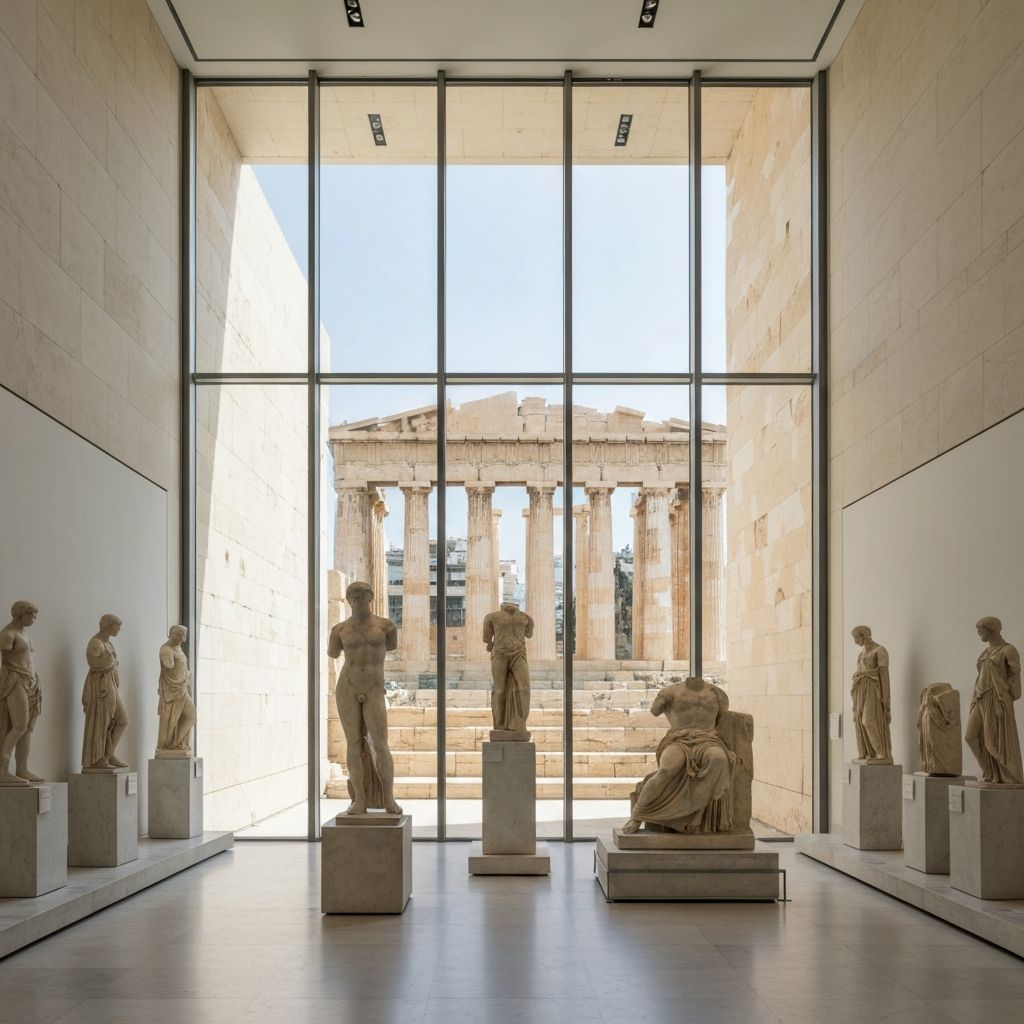
The Acropolis Museum, ready to reunite the sculptures
Construction Begins
Under the leadership of Pericles, construction of the Parthenon begins on the Acropolis of Athens. The temple is dedicated to Athena Parthenos, the patron goddess of Athens.
Completion
The Parthenon is completed after 15 years of construction. The sculptural decorations, including the frieze, metopes, and pediments, are finished under the supervision of the sculptor Phidias.
The Removal
Thomas Bruce, 7th Earl of Elgin, British Ambassador to the Ottoman Empire, begins removing sculptures from the Parthenon after securing contested permission from Ottoman authorities—not from the people of Athens.
Acquisition
The British Parliament purchases the sculptures from Lord Elgin for £35,000. They are placed in the British Museum, where they remain to this day.
The New Home Awaits
The Acropolis Museum opens in Athens, featuring a purpose-built gallery for the Parthenon Sculptures with a direct view of the Parthenon itself—ready to welcome them home.
The Sculptures
These sculptures were not decorative extras. They were structural and narrative elements of a single monument—integral to its meaning and artistic unity.
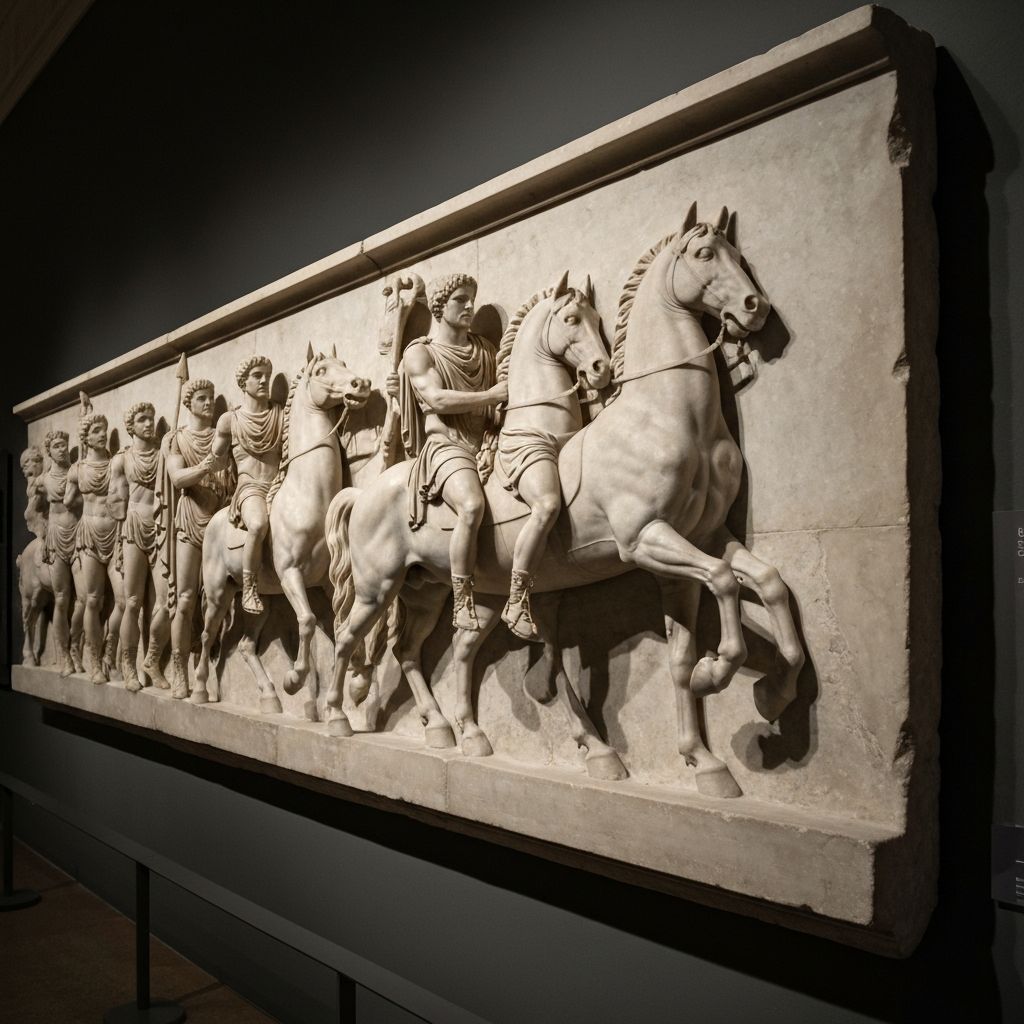
The Parthenon frieze depicted the Panathenaic procession, a civic celebration rooted in collective identity. Ironically, while the frieze represents Athenian unity, the monument itself remains physically divided.
The frieze originally ran around the exterior of the inner chamber of the Parthenon, depicting hundreds of figures in a continuous narrative—now split between two continents.
"The Parthenon without the sculptures is like a smile without teeth."— Neil Kinnock, Former leader of the British Labour Party
Myths &
Realities
Common objections to reunification have been thoroughly addressed. The case for return is stronger than ever.
The Acropolis Museum, opened in 2009, is a state-of-the-art facility specifically designed to house the Parthenon Sculptures. It features climate control, UV-filtered glass, and was built to the highest international museum standards. Meanwhile, the British Museum controversially cleaned the sculptures with metal tools in the 1930s, causing irreparable damage to their surfaces.
This argument, once the primary justification for retention, no longer applies. The Acropolis Museum has a dedicated Parthenon Gallery with natural light that mirrors the original temple's lighting conditions. The gallery offers a direct visual connection to the Acropolis itself—an experience impossible to replicate anywhere else. The original excuse has been removed.
Lord Elgin obtained a contested permit from the Ottoman Empire, which was occupying Greece at the time. The original firman has never been produced. The Greek people never consented to the removal. Parliamentary purchase does not confer ethical legitimacy—law and legitimacy are not the same thing.
The Parthenon Sculptures are architecturally unique—they are an integral part of a standing monument, not freestanding artworks. Greece has never requested the return of other Greek antiquities in foreign museums. This is about reunifying a specific dismembered masterpiece with its original context, not setting a precedent for all antiquities.
Your voice
matters
The Trustees of the British Museum play a central role in determining the future of the Parthenon Sculptures. Decisions about their fate are shaped by public engagement, institutional review, and political will.
Send a letter to the Trustees expressing your support for reunifying the Parthenon Sculptures in Athens, where they can be displayed in the Acropolis Museum with a direct view of the monument they were created for.
Why Write?
- Public pressure has historically influenced institutional decisions
- The British Museum receives government funding and answers to the public
- International support demonstrates the global consensus for reunification
Send Your Letter
To the Trustees of the British Museum